







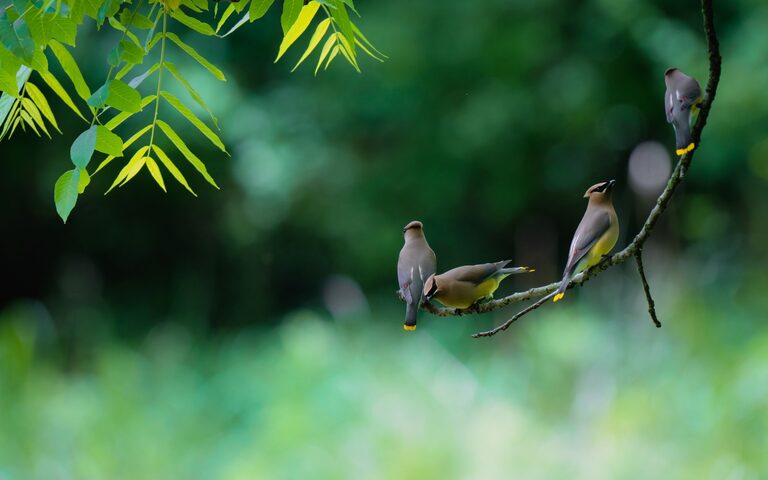
Birdwatching is a peaceful and rewarding hobby that brings you closer to nature without leaving your own backyard. Whether you’re a complete beginner or simply looking to enhance your outdoor experience, this guide offers simple tips to help you attract and observe birds near your home. With just a little effort and patience, you can turn your backyard into a lively bird sanctuary.
Why Backyard Birdwatching?
Birdwatching in your backyard is accessible, relaxing, and educational. It requires minimal equipment, and you don’t need to travel far to find a variety of bird species. Watching birds can improve mental well-being, sharpen your observation skills, and connect you with the natural world.
Getting Started: Essential Tips for Beginners
1. Choose the Right Spot
Identify a quiet spot in your yard where birds feel safe. Ideally, this should be near some natural cover like trees or shrubs where birds can perch and hide from predators. If possible, place feeders near windows so you can watch without disturbing the birds.
2. Provide Food That Attracts Local Birds
Different types of birds prefer different foods, so offering a variety helps attract more species. Here are some common options:
– Black oil sunflower seeds: Popular with many birds such as finches, cardinals, and chickadees.
– Nyjer (thistle) seeds: Ideal for attracting finches.
– Suet: Great for woodpeckers, nuthatches, and wrens, especially in colder months.
– Peanuts and sunflower seed cakes: Loved by jays and woodpeckers.
– Fresh fruit: Oranges and berries can attract orioles and other fruit-eating birds.
Make sure to use clean feeders and replace food regularly to prevent mold and disease.
3. Provide Fresh Water
Birds need fresh water for drinking and bathing. A birdbath or shallow water dish can attract a wide variety of species. Change the water daily to keep it clean, and consider adding a small fountain or dripper for moving water, which birds often prefer.
4. Create Shelter and Nesting Areas
Birds look for safe places to rest and raise their young. Plant native trees, shrubs, and flowers to provide natural shelter and food sources. You can also install birdhouses designed for local species to encourage nesting.
5. Use Binoculars and Field Guides
A good pair of binoculars makes it easier to observe birds at a distance without scaring them away. A field guide or bird identification app helps you learn about the species you see, their behaviors, and calls.
6. Be Patient and Observant
Birdwatching requires patience. Early mornings and late afternoons are often the best times to see birds active. Keep quiet and still, and look for subtle movements or sounds. Over time, you’ll learn to recognize different bird calls and habits.
Additional Helpful Tips
Keep a Birdwatching Journal
Record the birds you see, when, and where. Note their behaviors, feeding habits, and any interesting observations. This journal builds your knowledge and enhances your appreciation.
Avoid Pesticides and Chemicals
Keep your yard safe for birds by avoiding pesticides and herbicides. These chemicals can harm birds directly or reduce their food sources like insects.
Join Local Birdwatching Groups
Many communities have birdwatching clubs or online forums where you can share sightings, ask questions, and learn from experienced birders.
Common Backyard Birds You Might See
Depending on your region, your backyard may host a variety of birds such as:
– American Robin
– Northern Cardinal
– Blue Jay
– Mourning Dove
– House Finch
– Chickadee
– Downy Woodpecker
– House Sparrow
Knowing the common birds in your area makes identification easier and more fun.
Final Thoughts
Backyard birdwatching is a wonderful way to enjoy nature’s beauty and diversity right at home. By providing food, water, and shelter, and practicing patience, even beginners can develop a rewarding new hobby. So grab your binoculars, set up a feeder, and start exploring the fascinating world of birds just outside your door. Happy birdwatching!